How Nintendo Almost Went Bankrupt and Saved Its Business

Nintendo lost over 450 million dollars in a single year when the Wii U bombed in 2013. Most tech experts said the company was dead and needed to start making smartphone games immediately. Instead of quitting, Nintendo made a wild bet on a hybrid console called the Switch that saved the entire business.
The short answer to how Nintendo survived is simple. They stopped chasing raw graphics power, cut the chief executive's pay in half to save jobs, and focused on making fun games people could play anywhere. Here is how they turned their worst crash into their biggest win.
The Huge Failure That Almost Killed Nintendo
In 2012, Nintendo launched the Wii U. They expected it to sell like the original Wii, which sold over 100 million boxes. But the new console confused everyone. The controller looked like a bulky tablet, the screen was slow, and buyers did not know if it was an upgrade or a totally new system.
By 2014, the numbers were terrible. Nintendo sold only 13 million units of the Wii U during its entire lifespan. To put that in perspective, Sony sold more than 115 million PlayStation 4 systems in the same timeframe. Nintendo was losing money fast, and shareholders were panicking.
The company had tons of cash left in the bank from its old successes, but their main business model was bleeding out. Many critics insisted that hardware was a dead end for them. They said Nintendo needed to put Mario on iPhones or face total collapse.
Taking Responsibility at the Top
When a big company starts failing, the bosses usually fire thousands of frontline workers to protect their own profits. Satoru Iwata, the President of Nintendo at the time, did something very different. He took full responsibility for the Wii U flop.
Iwata cut his own salary by 50 percent. He also reduced the pay of other top directors by up to 30 percent. He refused to lay off game developers. Iwata knew that if employees were afraid of losing their jobs, they would not make creative, fun games.
This single choice kept the team united. The developers trusted their boss, so they worked harder than ever on a secret new project. Similar to How Lego Almost Went Bankrupt and Saved Its Business by returning to simple bricks, Nintendo decided to go back to what made them special in the first place.
Why Did Nintendo Choose to Build the Switch?
The team looked at how real people lived their lives. People were playing mobile games on buses and trains. Yet, gamers still loved sitting on the couch to play big adventure games on high-definition televisions. Nintendo asked a simple question: why not make a home console that turns into a handheld device?
This plan was a huge risk. Making a machine that works both on a TV and in your hands meant using weaker computer chips. Nintendo knew they could not win a graphics war against PlayStation or Xbox. They had to win on creative gameplay instead.
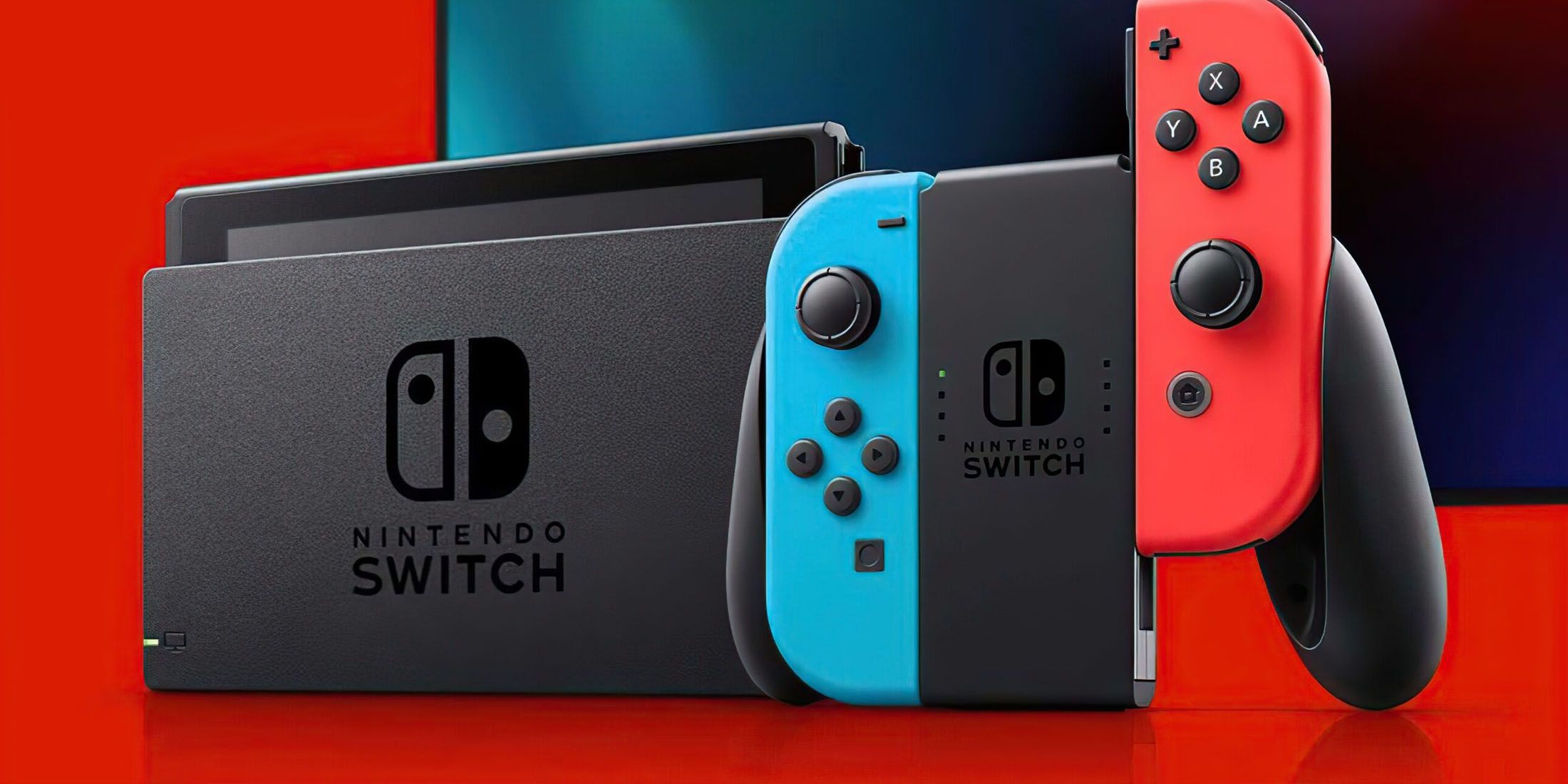
They built two detachable controllers, called Joy-Cons, and attached them to a screen. A user could drop the system into a TV dock, or pull it out and play on a plane. They named it the Nintendo Switch.
How Nintendo Turned Crisis Into Success
When the Switch launched in March 2017, the world was skeptical. But Nintendo had a secret weapon: they launched the system alongside two of the best games ever made. The Legend of Zelda: Breath of the Wild came out on day one, followed by Super Mario Odyssey a few months later.
The gamble paid off faster than anyone guessed. People loved taking giant game worlds with them on their daily commutes. The Switch sold over 14 fast-moving million units in its first year alone, instantly beating the entire five-year life of the Wii U.
By 2024, the Nintendo Switch sold over 140 million consoles, making it the third best-selling video game system in human history. Nintendo went from massive financial losses to record-breaking profits.
What Can We Learn From Nintendo's Survival?
The story of Nintendo offers a clear lesson for anyone facing a major set-back in life or work. You do not always have to follow what everyone else is doing to build real Success in your career.
First, when you make a mistake, take ownership right away. Protecting your core team builds loyalty that helps you recover faster. Iwata showed that great leaders protect their people during hard times.
Second, focus on your core strengths instead of copying your rivals. Nintendo did not try to make a supercomputer like Sony did. They stuck to interactive design and clever ideas that fit into daily routines. If you want to learn more about starting your own creative projects, check out our guide on how to build a practical business from scratch today.
Focus on Fun Over Specs
Many tech companies think that bigger, faster, and more expensive is always better. Nintendo proved that understanding the buyer's habits is much more valuable than raw tech power. They built cheap, reliable hardware that delivered immediate joy.
They also recycled their best ideas from failed experiments. The Wii U was a flop, but its idea of two screens laid the groundwork for the Switch. Nothing you try is a total waste of time if you learn from the outcome.
Great companies and smart leaders do not avoid failure entirely. They just treat failure as research for their next big breakthrough. That mindset is what turned Nintendo from a failing business into a global leader once again.
Think about a failure you faced recently. Did you abandon the idea, or did you look for the small piece of it that actually worked?
Why Nintendo Keeps Winning Today
The success of the Switch gave Nintendo a strong path into the future. Instead of constantly building new tech from scratch, they focus on making their classic series better with every new release. This strategy keeps old fans happy while bringing in millions of young players who are holding a game controller for the very first time.
They also expanded their brand far beyond living rooms and game consoles. Nintendo opened giant theme parks, released hit animated movies, and created official toys that sell out worldwide. Here are the main ways they protect their business today:
- They turn popular characters like Mario and Zelda into global icons.
- They keep game production costs lower than rival tech companies.
- They launch physical theme park lands to connect with families in real life.
- They keep full control over how their famous software is made.
By staying true to their vision, Nintendo built a loyal fanbase that supports every new project they launch.


Comments
Post a Comment